
Top Trends in Business Insurance for 2025 sets the stage for this enthralling narrative, offering readers a glimpse into a story that is rich in detail and brimming with originality from the outset. From digital transformations to sustainability factors, this overview dives into the evolving landscape of business insurance.
Overview of Business Insurance Trends
In the dynamic landscape of business insurance, staying updated with the latest trends is crucial for businesses to effectively protect their assets and mitigate risks. As the business environment evolves, so do the risks and challenges that companies face, making it essential to adapt to the changing trends in insurance to ensure adequate coverage.
Key Factors Driving Changes in Business Insurance
The shifting market dynamics, regulatory changes, emerging risks, and increasing competition are some of the key factors driving changes in the business insurance landscape. Companies need to anticipate and respond to these factors to ensure they have the right insurance coverage in place to address their evolving needs and exposures.
Impact of Technological Advancements on the Future of Business Insurance
Technological advancements, such as artificial intelligence, data analytics, and automation, are revolutionizing the business insurance sector. These technologies enable insurers to streamline processes, enhance risk assessment, and offer more personalized products and services to their clients. Embracing technology will be essential for businesses to stay competitive and effectively manage their insurance needs in the future.
Digital Transformation in Business Insurance
The digital transformation is significantly reshaping the landscape of the business insurance industry. Companies are leveraging advanced technologies to streamline processes, enhance customer experience, and mitigate risks more effectively.
Technologies Revolutionizing Insurance Processes
- AI: Artificial intelligence is being used to analyze vast amounts of data quickly and accurately, enabling insurers to make data-driven decisions, personalize policies, and detect fraud more efficiently.
- IoT: The Internet of Things allows insurers to collect real-time data from connected devices, such as sensors and wearables, to assess risks, prevent losses, and offer usage-based insurance policies.
- Blockchain: Blockchain technology ensures secure and transparent transactions, simplifies claims processing, reduces administrative costs, and enhances trust among stakeholders in the insurance ecosystem.
Personalization and Customization in Insurance
In today's rapidly evolving business landscape, the trend towards personalized insurance products for businesses has gained significant traction. Tailored insurance solutions based on specific business needs are becoming increasingly popular as companies seek comprehensive coverage that aligns with their unique operations and risks.
Customized insurance packages offer a range of benefits for businesses, providing them with the flexibility to address their specific requirements while optimizing cost-effectiveness and coverage.
Examples of Tailored Insurance Solutions
- Industry-Specific Coverage: Insurance providers now offer specialized policies tailored to the unique risks and challenges faced by different industries, such as technology, healthcare, or construction.
- Usage-Based Insurance: Businesses can opt for policies that adjust premiums based on actual usage or specific metrics, such as mileage for fleet vehicles or hours of operation for commercial properties.
- Cyber Liability Insurance: With the increasing threat of cyberattacks, companies can customize their insurance coverage to include protection against data breaches, ransomware attacks, and other cyber risks.
Benefits of Customized Insurance Packages
- Enhanced Coverage: Customized insurance solutions ensure that businesses have comprehensive coverage that specifically addresses their unique risks and exposures, reducing gaps in protection.
- Cost Efficiency: By tailoring insurance packages to their specific needs, businesses can avoid paying for coverage they don't require, optimizing cost efficiency and maximizing the value of their insurance investment.
- Risk Management: Personalized insurance products enable businesses to proactively manage and mitigate risks, fostering a culture of risk awareness and prevention within the organization.
Sustainability and ESG Factors in Insurance
In recent years, there has been a noticeable shift towards the integration of sustainability and ESG (Environmental, Social, and Governance) factors in the realm of business insurance. Companies are recognizing the importance of aligning their insurance strategies with their sustainability goals to mitigate risks and contribute to a more sustainable future.
Growing Focus on Sustainability and ESG
- Businesses are increasingly considering environmental and social factors when assessing risks and determining insurance coverage.
- Insurance companies are incorporating ESG criteria into underwriting processes to evaluate the sustainability performance of insured businesses.
- Investors and stakeholders are demanding greater transparency and accountability regarding the environmental and social impacts of insurance operations.
Role of Green Insurance
- Green insurance products are becoming more prevalent, offering coverage specifically tailored to businesses with environmentally friendly practices.
- These products incentivize sustainable behavior by providing discounts or rewards for implementing green initiatives and reducing carbon footprints.
- Green insurance not only benefits the insured businesses but also contributes to the overall sustainability efforts within the insurance industry.
Cyber Insurance and Data Protection
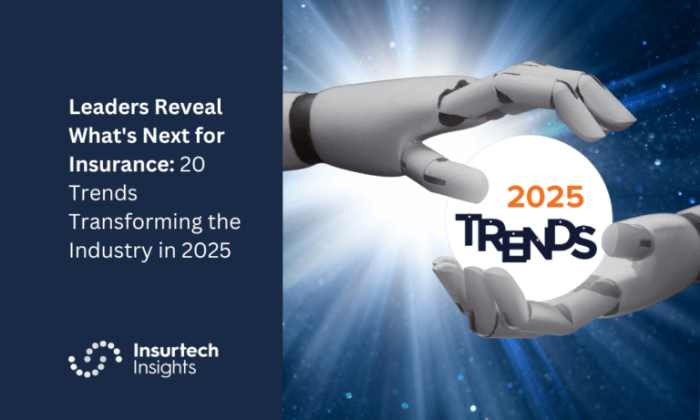
In today's rapidly evolving digital landscape, the importance of cyber insurance has become increasingly crucial for businesses of all sizes. With the rise of cyber threats and data breaches, companies are now realizing the necessity of having robust insurance coverage to protect themselves from potential financial losses and reputational damage.
The Evolving Threats in Cybersecurity
As technology advances, so do the tactics of cybercriminals
Safeguarding Data Through Insurance Policies
Businesses are now proactively seeking cyber insurance policies to safeguard their data and ensure business continuity in the event of a cyberattack. These policies not only provide financial protection in case of a breach but also offer additional benefits such as incident response services, legal assistance, and regulatory compliance support.
By investing in cyber insurance, companies can strengthen their cybersecurity posture and minimize the potential impact of a data breach on their operations.
Regulatory Changes and Compliance
In the dynamic landscape of business insurance, regulatory changes play a crucial role in shaping industry practices. Businesses must stay abreast of evolving compliance requirements to ensure they are operating within legal boundaries and meeting industry standards.
Impact of Regulatory Changes
- Businesses are facing increased scrutiny and oversight from regulatory bodies, leading to more stringent compliance requirements.
- Insurance companies are investing in technology and resources to enhance their compliance processes and ensure adherence to new regulations.
- Regulatory changes are driving the need for greater transparency and accountability in business insurance practices.
Adapting to Compliance Requirements
- Businesses are implementing robust compliance programs to mitigate risks associated with non-compliance and potential penalties.
- Training and education initiatives are being introduced to ensure employees are aware of and compliant with regulatory changes.
- Collaboration with regulatory agencies and industry partners is increasing to stay informed and adapt to changing compliance landscapes.
Challenges and Opportunities
- Challenges: Businesses may face increased operational costs to meet new compliance standards, potential disruptions to existing processes, and the need for continuous monitoring and updates.
- Opportunities: Regulatory changes can drive innovation and improvement in business practices, foster trust and credibility with stakeholders, and create a competitive advantage for compliant businesses.
- Striking a balance between compliance and business growth is a key challenge and opportunity for companies navigating regulatory shifts in the insurance sector.
Emerging Risks and Coverage
In today's rapidly evolving business landscape, emerging risks pose new challenges for organizations across various industries. As businesses adapt to changing technologies, market dynamics, and global events, insurance providers are innovating to offer coverage solutions that address these evolving risks efficiently.
Climate Change and Natural Disasters
With the increasing frequency and severity of natural disasters due to climate change, businesses face heightened risks to their operations, supply chains, and assets. Insurance providers are introducing specialized coverage options to protect businesses from these unpredictable events, including property damage, business interruption, and supply chain disruptions.
Pandemics and Public Health Crises
The COVID-19 pandemic has highlighted the need for businesses to be prepared for public health emergencies that can disrupt operations and revenue streams. Insurance companies are developing new policies to cover losses related to pandemics, including business interruption, employee health benefits, and liability claims.
Cybersecurity Threats and Data Breaches
As cyber threats become more sophisticated and prevalent, businesses are at risk of data breaches, ransomware attacks, and other cybersecurity incidents. Insurance providers are offering cyber insurance policies that cover financial losses, data recovery costs, legal expenses, and reputation management in the event of a cyber incident.
Wrap-Up
As we wrap up our discussion on the top trends in business insurance for 2025, it's evident that the industry is poised for significant changes. Whether it's the rise of digital technologies or the increasing focus on sustainability, businesses will need to adapt to stay ahead in this dynamic landscape.
Stay informed, stay prepared, and embrace the future of business insurance.
Essential Questionnaire
How important is it to stay updated with trends in business insurance?
Staying updated with trends in business insurance is crucial as it allows businesses to anticipate changes, mitigate risks, and stay competitive in the market.
What role do AI, IoT, and blockchain play in enhancing business insurance operations?
AI, IoT, and blockchain technologies are revolutionizing business insurance by streamlining processes, improving data accuracy, and enhancing risk assessment capabilities.
Why is personalization and customization becoming a trend in insurance?
Personalization and customization in insurance allow businesses to tailor insurance solutions to their specific needs, ensuring better coverage and more cost-effective policies.
How are businesses safeguarding their data through cyber insurance policies?
Businesses are increasingly investing in cyber insurance to protect themselves from cyber threats, data breaches, and financial losses associated with cyber attacks.
What challenges do regulatory changes pose for businesses in the insurance sector?
Regulatory changes in the insurance sector can present challenges in terms of compliance costs, operational adjustments, and keeping up with evolving legal requirements.