
Exploring the realm of Affordable Private Health Cover Options for Small Companies, this guide invites readers into a world of valuable insights and practical advice. Whether you're a small business owner or an employee, understanding the importance of affordable health cover is crucial in today's landscape.
Let's delve into the details and discover the best options for your company's needs.
In the following sections, we will explore different types of private health cover plans, factors to consider when selecting the right option, strategies to negotiate competitive rates, and real-life case studies showcasing successful implementation of affordable health cover.
Overview of Affordable Private Health Cover Options for Small Companies
Private health cover options refer to insurance plans that individuals or companies can purchase to cover medical expenses. These plans typically offer access to private healthcare facilities and services.
Affordable health cover is crucial for small companies as it helps attract and retain top talent, enhances employee satisfaction, and boosts overall productivity. It also demonstrates a commitment to employee well-being, which can improve company reputation.
Benefits of Offering Private Health Cover to Employees
- Improved Employee Health: Private health cover enables employees to access timely medical care, leading to better health outcomes and reduced absenteeism.
- Enhanced Recruitment and Retention: Offering private health cover can make a small company more attractive to potential employees and help retain current staff.
- Reduced Financial Burden: Private health cover can help employees manage healthcare costs, reducing financial stress and increasing job satisfaction.
- Increased Productivity: Healthy employees are more productive, as they are less likely to be absent from work due to health issues.
Types of Affordable Private Health Cover Options
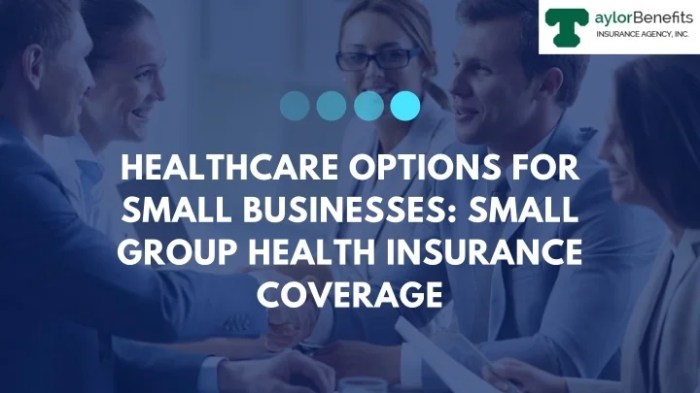
When it comes to private health cover options for small companies, there are several types of plans available to choose from. Here, we will explore the different options, compare basic plans with comprehensive ones, and discuss the flexibility in tailoring coverage for small businesses.
Basic Plans vs. Comprehensive Plans
Private health cover plans for small companies typically fall into two categories: basic plans and comprehensive plans. Here is a comparison of the coverage and costs associated with each:
- Basic Plans:Basic plans usually offer essential coverage for hospital stays, surgeries, and some outpatient treatments. They tend to have lower premiums but may come with higher out-of-pocket costs for certain services.
- Comprehensive Plans:Comprehensive plans provide broader coverage, including hospital treatments, specialist consultations, prescription medications, and preventive care services. While they often have higher premiums, comprehensive plans offer more extensive benefits and lower out-of-pocket expenses.
Flexibility in Coverage Options
Small companies have the flexibility to choose private health cover options that best suit their needs and budget. Insurance providers offer customizable plans that allow businesses to select specific coverage options tailored to their employees' requirements. This tailored approach ensures that small businesses can provide adequate health benefits to their staff while managing costs effectively.
Factors to Consider When Selecting Affordable Private Health Cover
When evaluating health cover options for small companies, there are several key factors to consider to ensure the best choice for both the company and its employees. Factors such as the size of the company, employee needs, cost-effectiveness, and quality of coverage play a crucial role in decision-making.
Company Size and Employee Needs
The size of the company and the specific needs of its employees are important factors to consider when selecting affordable private health cover options. Larger companies may have more bargaining power with insurance providers, allowing them to negotiate better rates and coverage options.
On the other hand, smaller companies may need to focus on finding cost-effective plans that still meet the healthcare needs of their employees. Understanding the demographics and health requirements of employees can help in choosing a plan that offers the right level of coverage.
Cost-effectiveness and Quality of Coverage
Cost-effectiveness and quality of coverage are critical aspects to consider when selecting affordable private health cover. While it's important to find a plan that fits within the company's budget, it's equally important to ensure that the coverage provided is comprehensive and meets the healthcare needs of employees.
Balancing cost and quality can be challenging, but it's essential to prioritize both factors to ensure that employees have access to the care they need without incurring high out-of-pocket expenses. Comparing different plans based on their premiums, deductibles, co-pays, and coverage options can help in finding the right balance between cost-effectiveness and quality of coverage.
Strategies to Negotiate Affordable Private Health Cover Rates
Negotiating affordable private health cover rates is crucial for small companies looking to provide quality healthcare benefits to their employees while managing costs effectively. Here are some strategies to help you secure competitive rates with insurance providers:
Utilize the Services of Brokers or Consultants
Brokers or consultants specializing in health insurance can help small companies navigate the complex landscape of private health cover options. These professionals have extensive knowledge of the market and can leverage their relationships with insurance providers to negotiate better rates on behalf of your company.
Leverage Group Purchasing Power
One effective way to negotiate affordable private health cover rates is to pool your company's resources with other small businesses. By joining forces through group purchasing arrangements, you can increase your bargaining power and access discounted rates that may not be available to individual companies.
This collective approach allows small companies to benefit from the economies of scale enjoyed by larger organizations.
Emphasize Healthy Workforce Initiatives
Insurance providers often take into account the health and wellness programs implemented by companies when determining premium rates. By promoting employee wellness through initiatives such as workplace health screenings, fitness programs, and healthy lifestyle incentives, you can demonstrate to insurers that your workforce is committed to maintaining good health.
This can potentially lead to lower premiums and better coverage options for your employees.
Regularly Review and Compare Offers
To ensure you are getting the best possible rates for your private health cover, it is essential to regularly review and compare offers from different insurance providers. By staying informed about market trends and pricing strategies, you can identify opportunities to renegotiate your existing rates or switch to a more cost-effective plan that better meets the needs of your employees.
Case Studies
In this section, we will explore examples of small companies that have successfully implemented affordable health cover, emphasizing the positive impact on employee satisfaction and retention, as well as how it contributes to a positive company culture and overall well-being.
Company A
- Company A, a small tech startup with 50 employees, decided to offer affordable private health cover to all its staff.
- After implementing the health cover, employee satisfaction and morale significantly increased, leading to higher retention rates.
- Employees reported feeling valued and cared for, which improved their productivity and loyalty to the company.
Company B
- Company B, a family-owned retail business with 30 employees, introduced a group health insurance plan to provide affordable coverage.
- The health cover helped reduce absenteeism due to illness, as employees had access to quality healthcare services without financial strain.
- The company saw a decrease in turnover rates and an increase in employee engagement, fostering a positive work environment.
Company C
- Company C, a marketing agency with 20 employees, partnered with a health insurance provider to offer tailored health cover options.
- By providing flexible health benefits, employees had the freedom to choose plans that suited their individual needs and budget.
- This initiative not only improved employee satisfaction but also promoted a culture of health and well-being within the company.
Concluding Remarks
As we wrap up our discussion on Affordable Private Health Cover Options for Small Companies, it's clear that prioritizing the well-being of employees through accessible health cover can lead to increased satisfaction and retention rates. By making informed decisions and exploring the variety of options available, companies can create a positive work environment that fosters overall well-being.
FAQs
What are the key benefits of offering private health cover to employees?
Offering private health cover can attract top talent, improve employee retention, and enhance overall job satisfaction, leading to a more productive workforce.
How can small companies negotiate affordable rates for private health cover?
Small companies can negotiate competitive rates by leveraging group purchasing power, working with brokers or consultants, and exploring different coverage options to find the best fit for their budget and needs.
What factors should small companies consider when selecting private health cover options?
Key factors to consider include the size of the company, employee healthcare needs, cost-effectiveness, quality of coverage, and the flexibility of coverage options tailored for small businesses.